The shift is toward experience-first design, where every element of the agenda is intentional and built around how people connect.
The challenge is understanding the people, partners and places that shape a destination and how a destination can actively reinforce a meeting’s mission. This level of local insight is difficult to access from the outside.
That’s where destination experts play a critical role. Destination Marketing Organization advisors serve as connectors, helping planners identify the right experiences and design programs that feel authentic to place while advancing the purpose of the meeting and increasing value for attendees.
Here are five ways planners are putting that into practice, and how destinations like Asheville make it easier to bring those ideas to life.
1. Purpose-Driven Meetings

Meetings are increasingly designed as expressions of organizational values, carried through content, experiences and the way people connect during the event.
How planners are applying it:
- Partnering with businesses whose practices reflect the organization’s mission in action
- Bringing in local experts to ground content in real-world context and lived experience
- Designing moments that connect attendees to community through shared activity, not observation
In Asheville, this looks like:
- Partnering with certified B Corp businesses such as French Broad Chocolate, which offers group factory tours, and New Belgium Brewing, which provides private event space on its campus along the French Broad River for offsites
- Designing programs connected to regional priorities, with events such as the MO Summit and James Beard Chef Action Summit choosing Asheville for its shared values
- Engaging local voices in climate science, conservation and environmental stewardship to ground discussions in place-based expertise
2. Immersive, Participatory Experiences

Active, hands-on formats keep energy and attention high. Meetings that combine structured content with real-world exploration create stronger engagement, deeper focus and more meaningful connection across teams.
How planners are applying it:
- Replacing traditional sessions with interactive, experience-led formats
- Designing for movement, conversation and creativity throughout the agenda
- Using the surrounding environment to shift perspective and deepen engagement
In Asheville, this looks like:
- Art workshops and maker-led sessions in districts like the River Arts District, home to 500 working artists
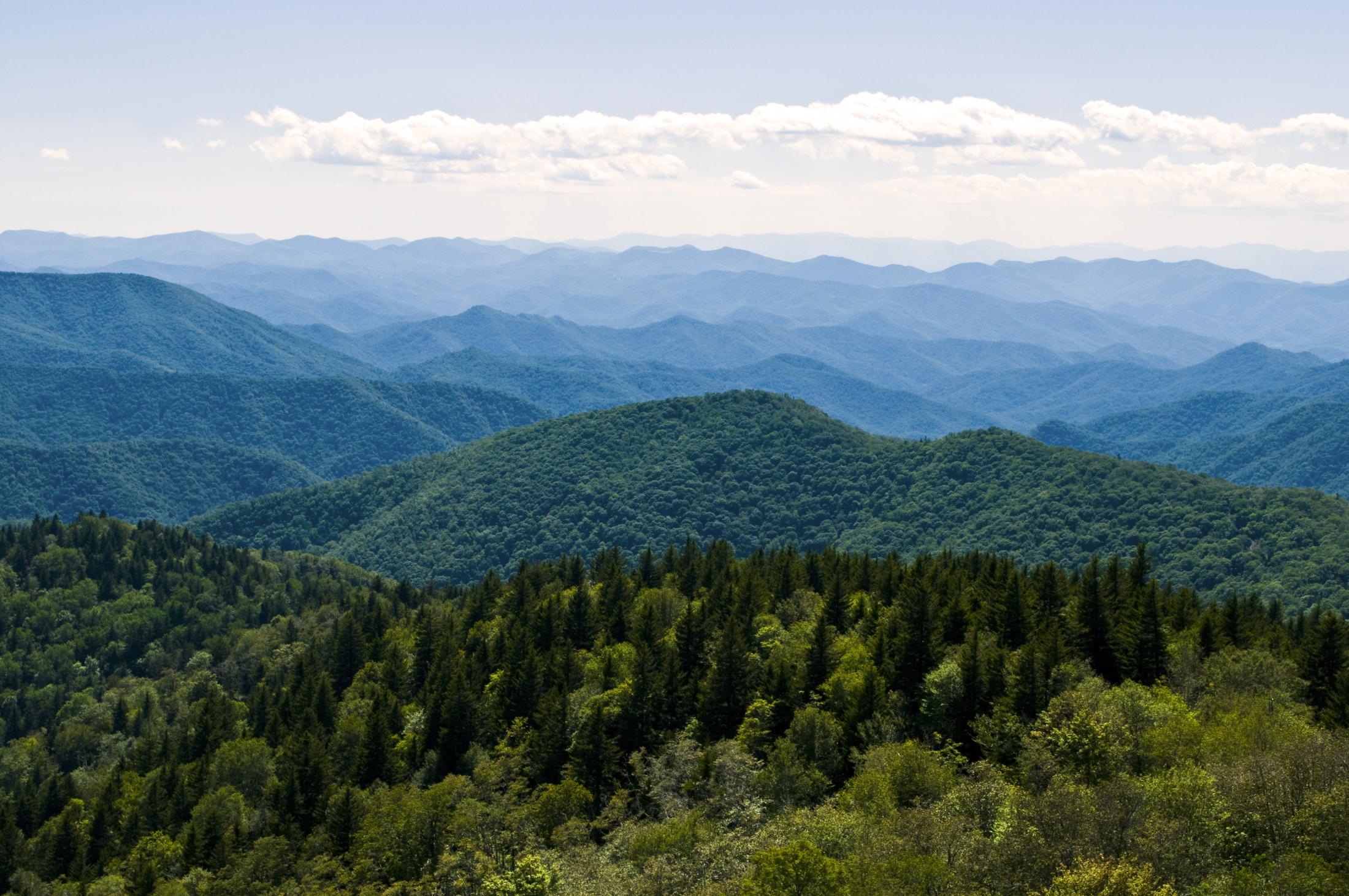
- Outdoor experiences in the Blue Ridge Mountains that use landscape as part of the program design
- Blending focused sessions with exploration and reflection across the destination
3. Culinary and Wellness as Strategy

Food and well-being are no longer secondary considerations. They directly impact attendance and influence how attendees feel and perform.
How planners are applying it:
- Turning meals into shared, interactive experiences
- Prioritizing local sourcing and storytelling
- Building in time for rest, movement and reset
In Asheville, this looks like:
- Wild food foraging experiences that culminate in chef-led, locally sourced meals
- Hands-on culinary workshops, like spice blending with Spicewalla
- Group gatherings at vineyards and breweries rooted in the regional food and beverage community
- Wellness programming that draws on Asheville’s long-standing legacy as a destination for health and renewal, such as sound baths and onsite guided movement experiences
- A culinary scene recognized by the MICHELIN Guide and the James Beard Foundation enabling planners to confidently design food-forward programming
4. Built-In Community Impact

More meetings are incorporating purpose in ways that create tangible local impact.
How planners are applying it:
- Partnering with nonprofits for hands-on projects
- Aligning service with meeting themes
- Creating shared experiences that extend beyond the event
In Asheville, this looks like:
- Environmental stewardship projects with organizations such as Asheville GreenWorks, MountainTrue or RiverLink, including tree planting, creek cleanups and habitat restoration along the French Broad River watershed
- Food security and community support initiatives with partners like MANNA FoodBank, Food Connections and Eblen Charities
- Projects at the meeting site with Blooms of Kindness or Seeds International
5. Destination as Experience Platform

The destination itself shapes how easily experience-first meetings can move from concept to execution.
How planners are applying it:
- Selecting destinations where community, partners and experiences are already connected
- Prioritizing locations that support both logistical ease and meaningful engagement
- Leveraging destinations that align with organizational values and can support programming beyond the venue
In Asheville, this looks like:
- A walkable downtown and well-connected Asheville Regional Airport undergoing a $400M expansion
- Easy access to outdoor environments in the Blue Ridge Mountains, one of Earth’s most significant biodiversity hotspots
- A connected ecosystem of local businesses, makers and community organizations that can be woven into agendas as speakers, experiences and site visits
Start with the Right Partner
Bringing these elements together takes the right mix of local insight and coordination.
Destination advisors play a critical role early in the planning process, helping connect meeting goals with the right venues, experiences and community partners. Explore Asheville’s Business Development team brings well over 50 years of combined experience in the meetings and events industry, offering both destination expertise and a practical understanding of how to bring a program to life.
Start with a conversation or submit your RFP to begin designing a more intentional, experience-first meeting.