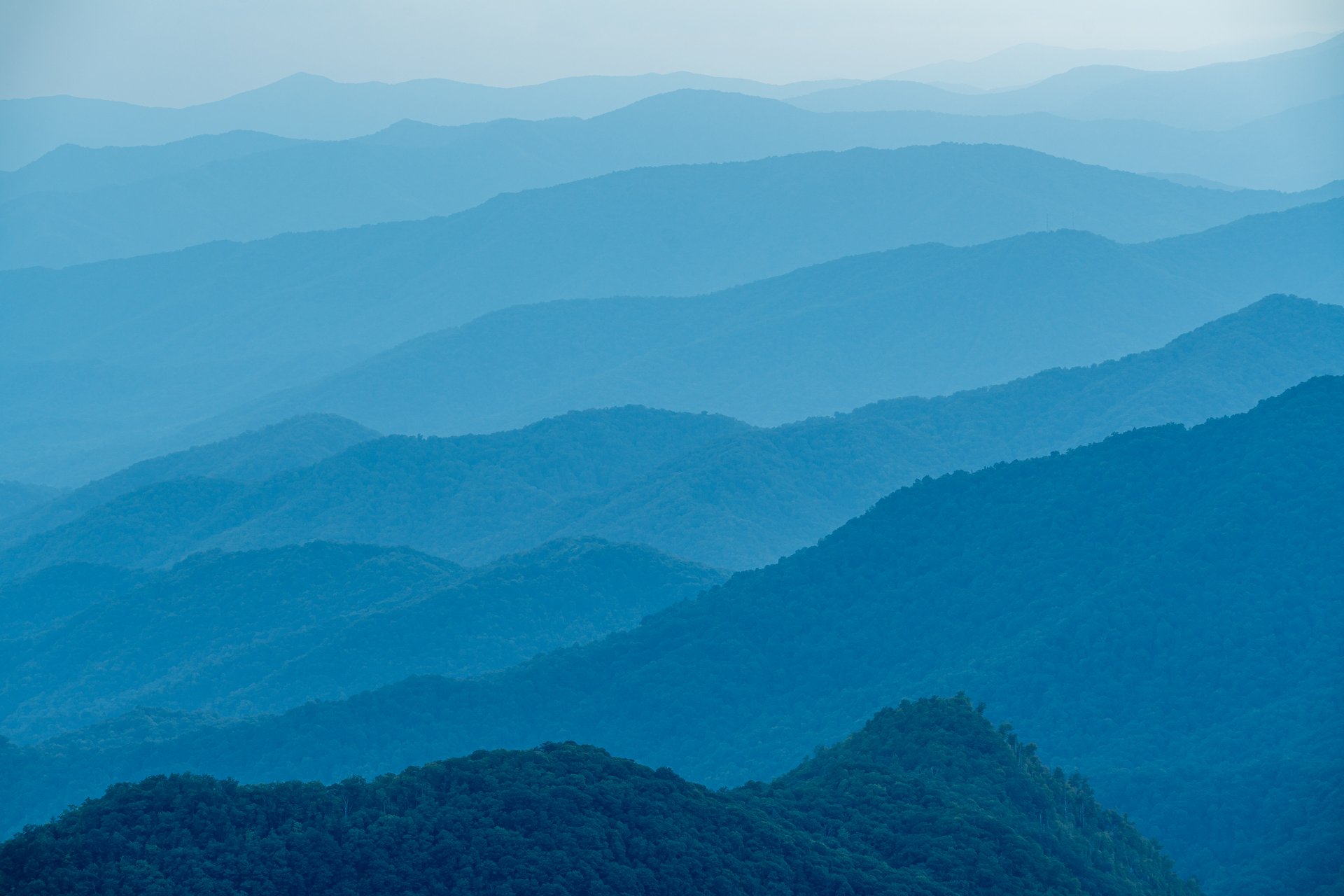
A quick trip to the gorgeous Cataloochee Valley in the Great Smoky Mountains offers big rewards.
The biggest is getting a close-up view of the majestic elk that weigh around 700 pounds, making them the largest animals in the park. The sprawling roadside meadows allow for safe viewing as the elk roam, graze, and interact.
Elk roamed the Appalachian Mountains for many years before being eliminated by overhunting and habitat loss. The last elk in this area was killed in the late 1700s. The National Park Service reintroduced the first herd of 25 elk to the park in 2001, followed by an additional 27 elk in 2002. Today, approximately 270 elk live in Western North Carolina, with around 150 spending at least part of the year within park boundaries.
When is the best time to see elk in Cataloochee Valley?
For best viewing, arrive about two hours before sunset, or earlier if you want to hike a bit and tour the historic buildings, remnants of a remote community. See the one-room school, church, and farmhouse, all open for you to peek inside. There are several hiking trails to explore. Before heading out, check current park trail conditions, as some Cataloochee-area trails still have closures or cautions related to Hurricane Helene damage.
For dinner and a show unlike any other, bring a picnic! Park your car in the last meadow near the end of the road and tailgate. Also, bring your binoculars and a camera with zoom capabilities. Of course, don’t ever try to feed any wildlife and keep your distance. It's illegal to willfully approach within 25 yards or 75 feet of elk, or to get close enough to disturb or displace them.
During the fall “rut” breeding season, male elk make their legendary bugling calls to challenge other bulls and attract cows. Their calls may be heard a mile or more away. Watch the bulls spar and try to intimidate each other. During the rut in September and early October, dominant bulls gather and breed with harems of up to 20 cows.
Throughout the year, elk are also active in early mornings, on cloudy days and before or after storms. Always keep a safe distance since female elk are very protective of offspring and a male bull may perceive you as a challenger to his domain.
How do I get to Cataloochee Valley?
To reach Cataloochee, drive I-40 west to exit 20. After 0.2 mile, turn right onto Cove Creek Road and follow signs 11 miles into Cataloochee Valley. The winding mountain road includes a stretch that is unpaved and narrow. Allow at least 45 minutes to reach the valley once you exit I-40 (a little under 1.5 hours from downtown Asheville).
To enter Great Smoky Mountains National Park, a parking tag is required, which can be purchased online or in-person at visitor centers and kiosks. Parking tags are required for vehicles parked anywhere in the park for more than 15 minutes. Three tag durations are available: $5 daily, $15 weekly and $40 annually. Parking tags are not replaceable, refundable, transferable or upgradable. Annual parking tags must be displayed in the front, lower passenger side windshield. Daily and weekly parking tags must be placed face-up on the front, lower passenger side dashboard.