
A Book Lover's Guide to Asheville
Between the pages and the peaks
Asheville is a city that has always had a story to tell.
Most cities have a bookshop or two. Asheville has a literary culture. Rooted in the writers who grew up here, the ones who came seeking refuge, and the independent booksellers, festival organizers, and reading communities who have kept the flame going ever since. Add a landscape that has been inspiring writers for centuries and a food community with its own literary instinct, and the result is a place that feels, for readers, like it was made for them.
More Bookshops Per Mile Than Most Places Have a Right To
From Malaprop's on Haywood Street to a traveling pop-up stocked with personally curated used titles, the bookshops of the Asheville area are as varied as the city itself. New books, used books, rare editions, romance, social justice literature, blind dates with books — and more than one place where you can pair a shelf browse with something sparkling.
Downtown Asheville

Malaprop's Bookstore & Café
Asheville's literary heart has been beating on Haywood Street since 1982. Malaprop's is the kind of independent bookshop that reminds you why independent bookshops matter, with deep shelves of regional and Appalachian literature, a dedicated local author section, a café where conversations spill from table to table, and a staff that reads everything they recommend. The events calendar is worth checking before you arrive — author readings here have a way of becoming the thing you talk about most when you get home.

Battery Park Book Exchange and Champagne Bar
Tucked inside the historic Grove Arcade, Battery Park Book Exchange is everything a used and rare bookshop should be: floor-to-ceiling shelves, the smell of old paper, and a pairing of champagne and charcuterie. Come for the books, stay for a glass of something sparkling.

Downtown Books & News
Sister store to Malaprop's, Downtown Books & News carries used and rare books alongside first editions, leather editions, esoterica, vintage children's books, zines, and local art. Old movie theater seats, school desks, and a décor that resists easy description. Where Malaprop's feels bright and new, DBN is deep and strange and exactly what a used bookshop on Lexington Avenue should be. They describe themselves as the grumbliest bookstore in downtown Asheville, which is not a warning so much as a promise.
West Asheville

Firestorm Books and Coffee
A worker-owned cooperative centered on social justice literature, independent publishing, and local voices, Firestorm has been bold, unafraid, and exactly who it is since 2008, the embodiment of Asheville's creative and collaborative spirit. The zine rack alone is worth the visit, and the community events are worth building your trip around.

Bagatelle Books
A second-hand bookshop on the quieter end of Haywood Road, Bagatelle buys and sells used and rare titles. Owner Patrick Kutcher spent 13 years working in Asheville bookshops before opening Bagatelle in 2019 — inspired, of all things, by the small bookshops he discovered while traveling in Argentina. The name is a musical term for a short, light composition, which suits the place: intimate, neighborly, and stocked with uncommon books of all genres.
Character Study
On Haywood Road in West Asheville, a few doors down from Bagatelle, Character Study is a literary-themed cocktail bar with carrel seating, shelves stocked with $8 books curated by Bagatelle, and a cocktail menu full of literary references — the Devil's Dictionary, the Loud Sweater Martini, spirit-free drinks treated with the same seriousness as everything else. From the team behind Little Jumbo, Montford's beloved neighborhood bar.
Black Mountain

Sassafras on Sutton
Housed in what was once the town's old livery stable (a building that survived a city-wide fire in 1912), Sassafras on Sutton is a bookstore, toy shop, gift store, and espresso café rolled into one deeply joyful space. Owner Susanne Blumer is an author herself, and it shows: the shelves are stocked with intention, the lower level anchored by books and a coffee bar, the upper level given over entirely to a children's and toy wonderland.
Weaverville

Willbloom Books
A pop-up bookshop rooted in Weaverville and guided by a simple belief: every town deserves a place where the community can gather around books. Owner Lindsay Johnson personally curates every title on the shelves, with a dedicated local authors section and the conviction that anyone who walks in — child, grandparent, first-time reader — should be able to find themselves there.
F.O.W.L. Used Book Store
Located on the lower level of the Weaverville Library and staffed entirely by volunteers, F.O.W.L. (Friends of the Weaverville Library) is a used bookshop where every purchase goes directly back into the library system. Fiction, mysteries, nonfiction, children's titles, puzzles, coffee table books, and a rotating "Old and Odd" section are all priced to move. It's a community bookshop in the truest sense of the phrase.
On Biltmore Estate
The Bookbinder's Shop at Biltmore
Located within Biltmore in the former stable area, The Bookbinder's Shop is a natural stop for visitors exploring America's Largest Home®. Well-stocked with titles on architecture, Gilded Age history, gardening, and the region, it's a fitting place to close the loop between the estate's story and the wider Asheville narrative it belongs to.





Read It, Then Live It
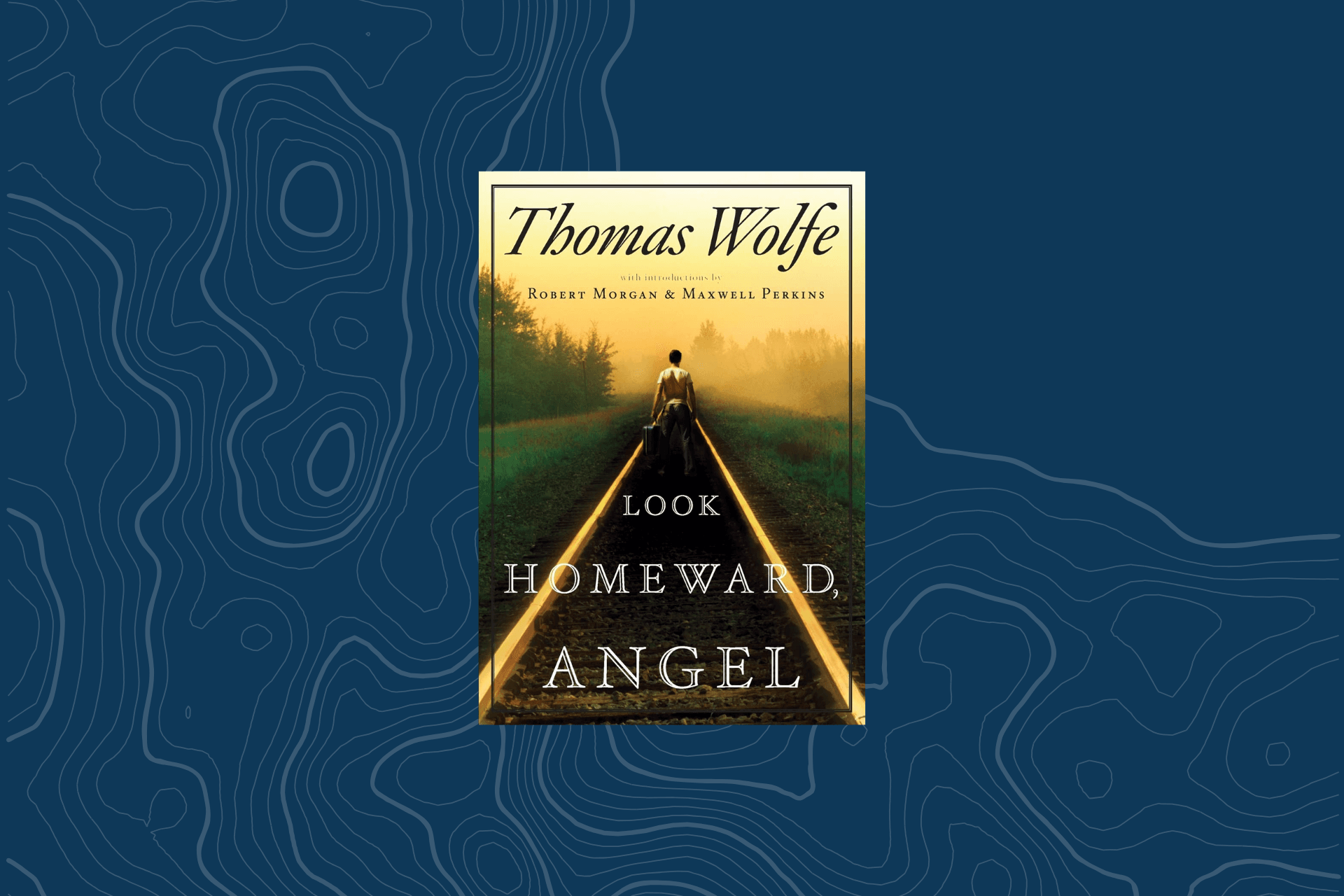
Look Homeward, Angel, by Thomas Wolfe
Asheville's most famous literary son wrestled with roots, restlessness, and the hunger to escape the place that made him — only to find it was the making of him.

Cold Mountain, by Charles Frazier
A Civil War deserter walks home through the Blue Ridge. The mountain he's walking toward is real, 6,030 feet of it, still standing in the Shining Rock Wilderness exactly as Frazier described it.
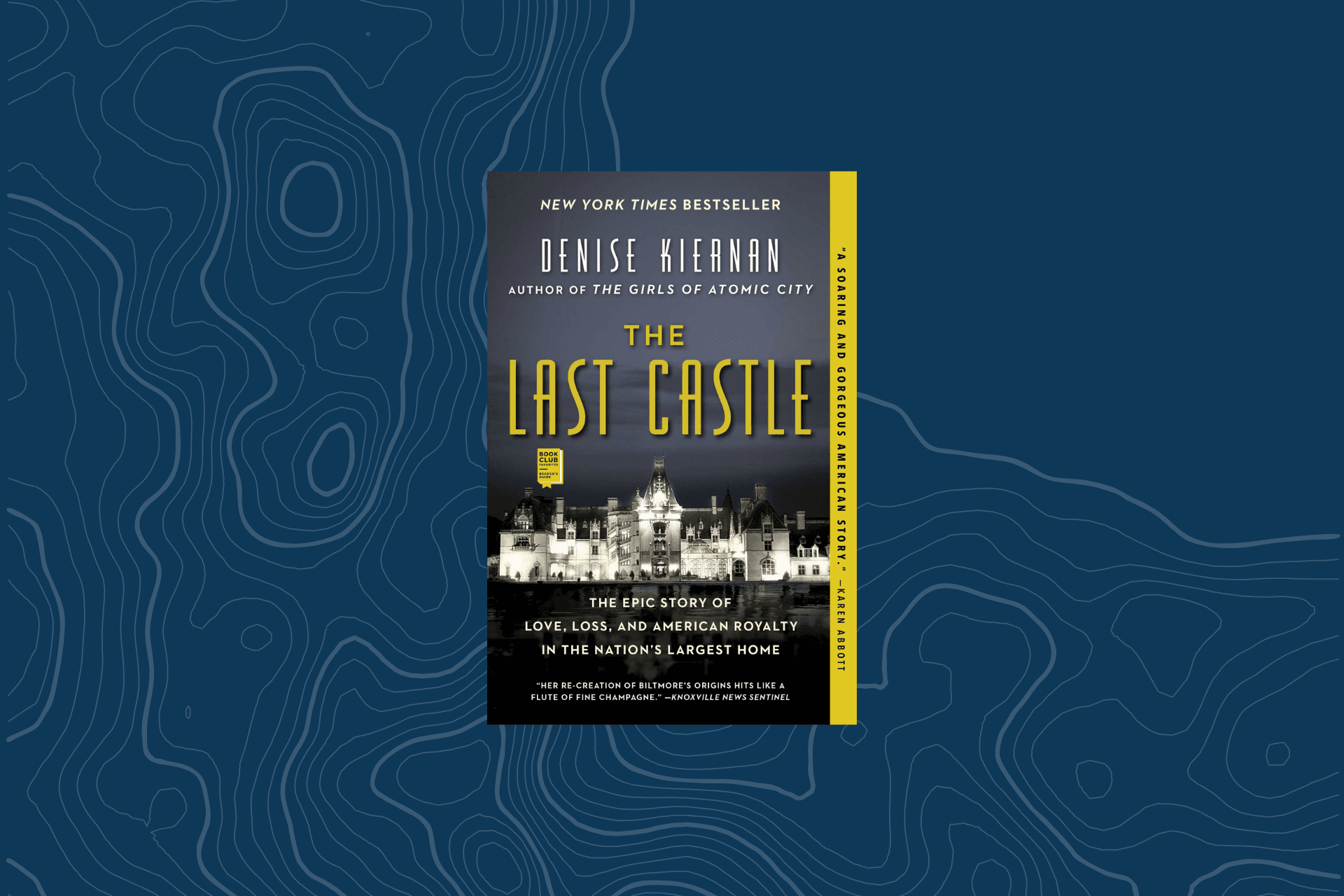
The Last Castle, by Denise Kiernan
The definitive account of how a 26-year-old Vanderbilt built America's largest home in the mountains of western North Carolina — and what happened to the family that inherited it.

Guests on Earth, by Lee Smith
Historical fiction drawn from the real 1948 fire at Highland Hospital in Montford, where Zelda Fitzgerald died alongside eight other patients. Smith imagines the story through the eyes of a young patient who knew Zelda — intimate, haunting, and deeply rooted in Asheville's most complicated chapter.
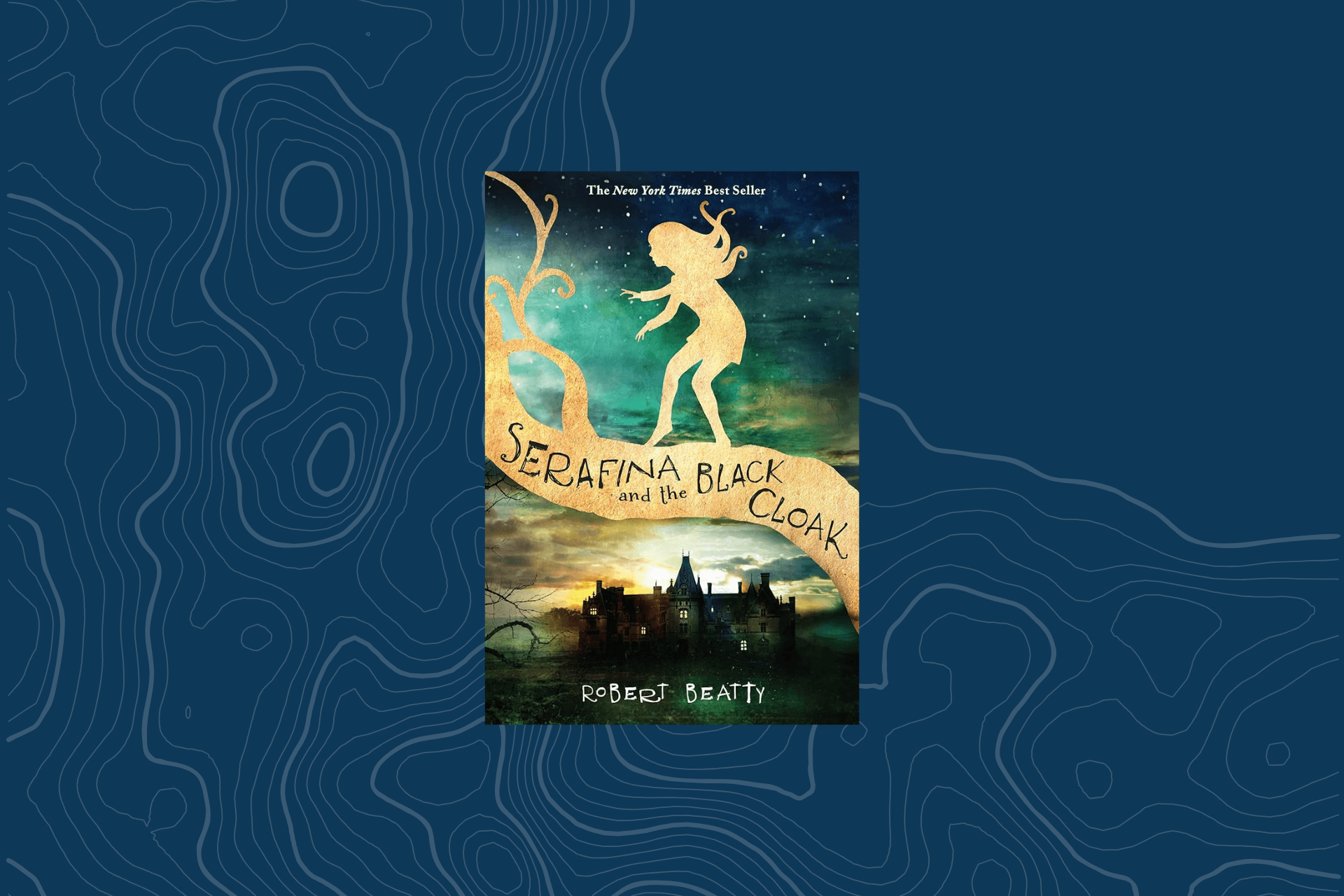
Serafina and the Black Cloak, by Robert Beatty
Children are disappearing on the grounds of Biltmore Estate, and only Serafina — who has lived hidden in the basement her whole life — knows why. Set entirely within Biltmore House and its surrounding forest, this is the novel that makes the estate feel magical to younger readers. Pick it up at the Bookbinder's Shop on your way out.

Land of the Sky, by Christian Reid (1876)
The novel that gave Asheville one of its most enduring nicknames, written at a time when these mountains were just beginning to understand their own draw. Still holds up as an invitation.
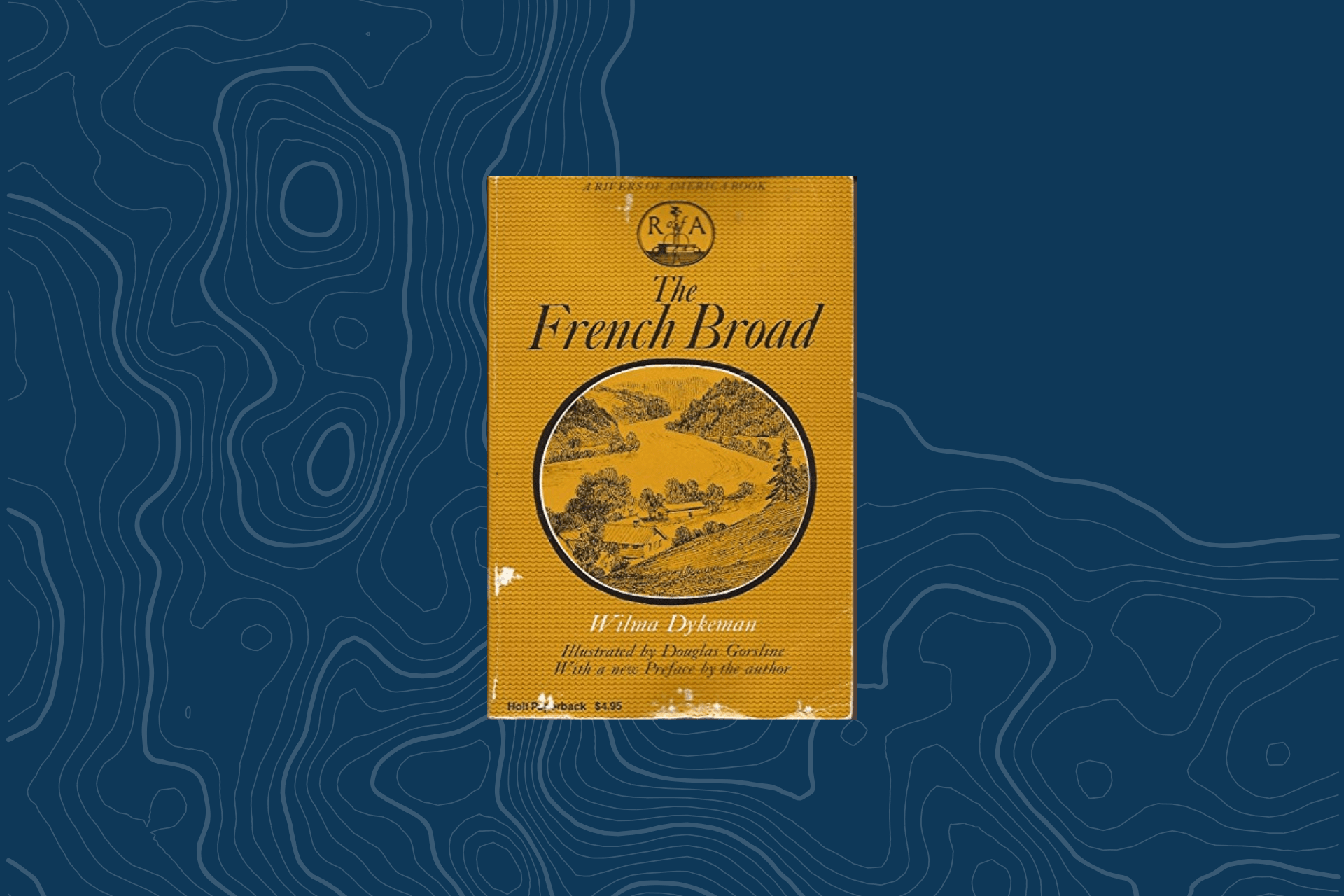
The French Broad, by Wilma Dykeman
Published in 1955, this is the book that made the case for cleaning up the French Broad River when it was an industrial dumping ground. The river you walk beside today exists partly because of it.
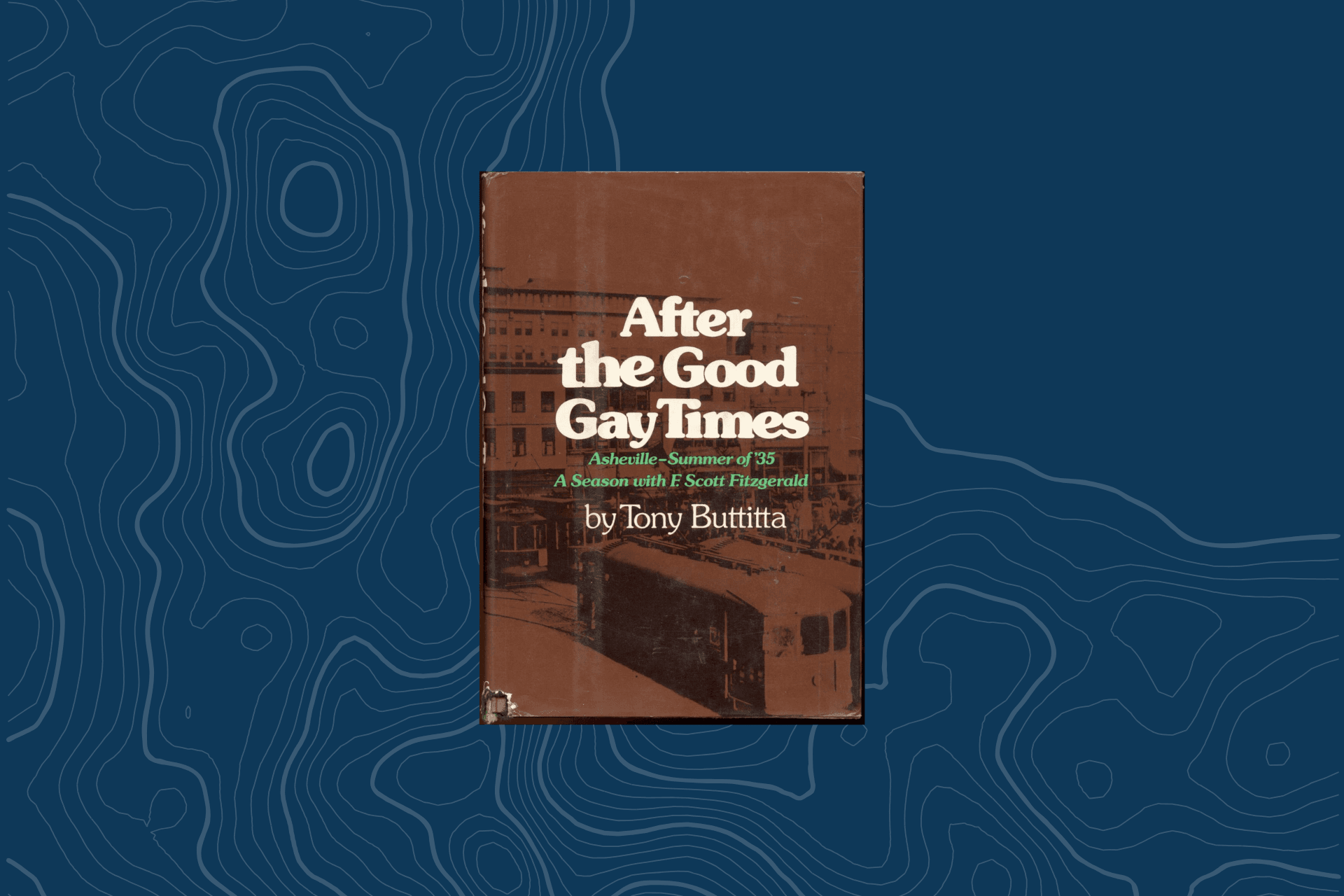
After the Good Gay Times, by Tony Buttitta
An Asheville bookseller's firsthand account of F. Scott Fitzgerald's two desperate summers at the Grove Park Inn — the drinking, the longing, and the silence over lunch with Zelda across the valley.
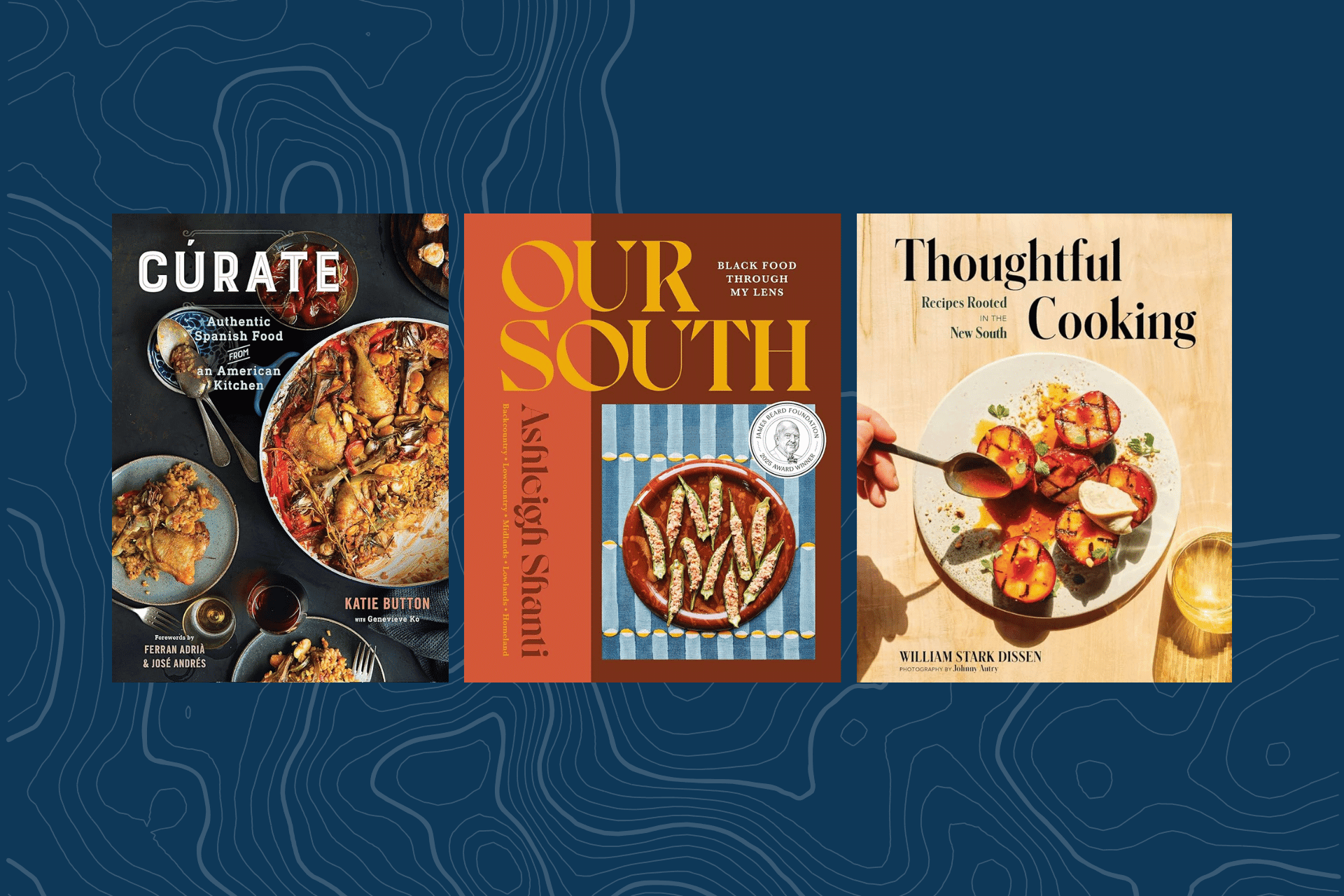
Any Appalachian cookbook
Ashleigh Shanti's Our South, William Dissen's Thoughtful Cooking, Katie Button's Cúrate — three Asheville chefs, three distinct lenses on what it means to cook from this place and these mountains.
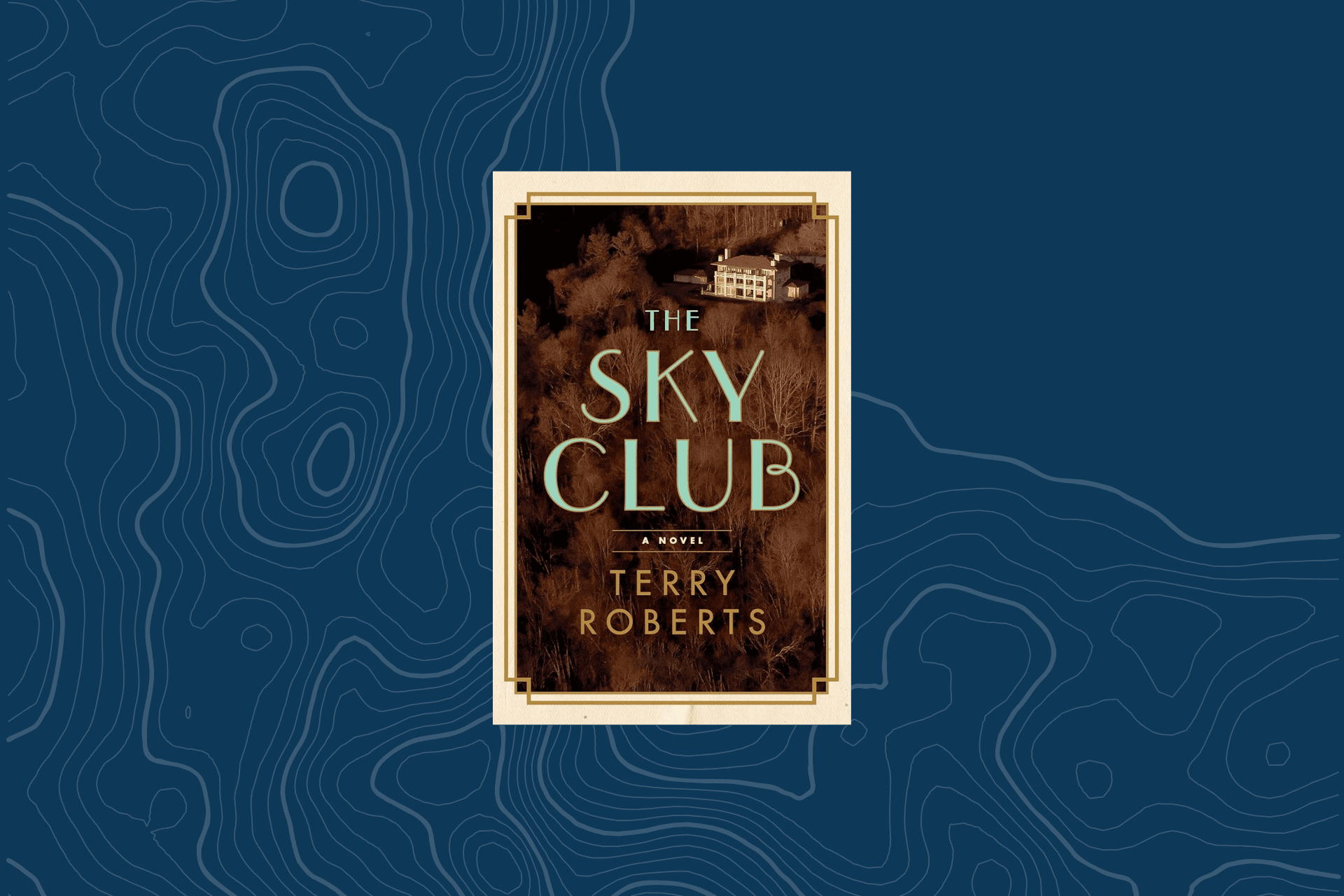
The Sky Club, by Terry Roberts
Asheville, 1929. A young mountain woman with a gift for mathematics rises through the ranks of a downtown bank, predicts the crash, and finds herself drawn into the Sky Club — a speakeasy and jazz club on the mountainside above town. Roberts is a native of Weaverville and has spent his career writing in the mountains of western North Carolina.

Serena, by Ron Rash
1929, the logging camps of western North Carolina. A timber baron and his ruthless new wife strip the mountains bare. Ron Rash is one of the most important living Appalachian writers, and this — his darkest novel — is set in the landscape just south of Asheville. The land in this book is recognizable. So is the hunger.
The Living Literary Scene
Asheville's literary life doesn't live only in history. Story Parlor on Haywood Road hosts monthly evenings of storytelling, poetry, and narrative performance in a century-old West Asheville building with amber velvet curtains and a stage just the right size for a poet and a microphone. Juniper Bends, one of the city's longest-running reading series, has been bringing together writers and musicians since 2009. Every September, Punch Bucket Literary Festival takes over downtown Asheville for two days of author readings, panels, workshops, and a bookfair — one of the most vital literary festivals in the Southeast. And each March, around the anniversary of her death, Zelda Week gathers scholars, historians, and readers to reckon with Zelda Sayre Fitzgerald's life and work on her own terms. Check the calendars before you arrive. Something is almost always happening.
Request a Free Destination Guide
There’s no better way to start your trip planning than with Asheville’s Official Destination Guide.

Sign Up for Our Newsletter
Stay in the know with the best of Asheville delivered straight to your inbox.
Download the Explore Asheville App
Plan your time in Asheville from the comfort of your device.