
 In 1792, Buncombe County was established with a city called "Morristown" as its county seat. In 1797, that city was renamed Asheville after North Carolina Governor Samuel Ashe.
 Author
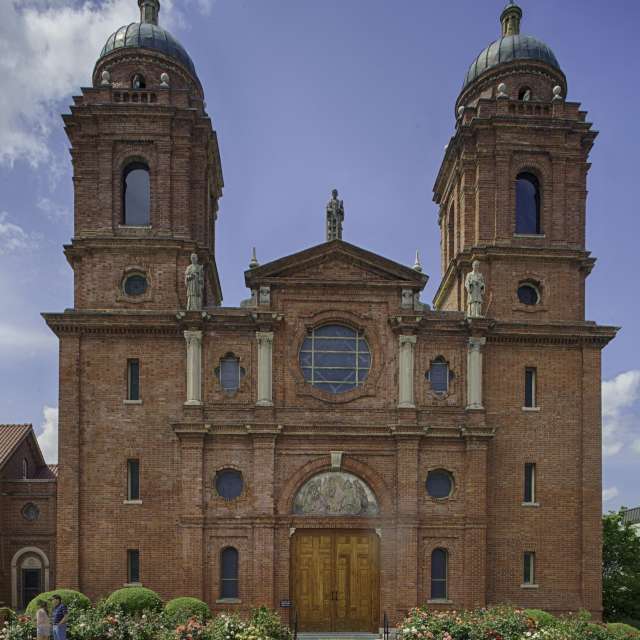
 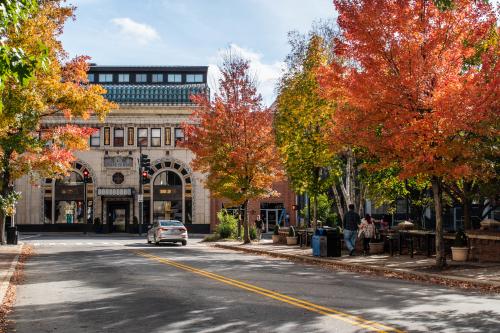 The magnificent buildings built during the boom years were spared as a result of Asheville's commitment to repay its debt. This is why Asheville remains a snap shot of what an American boomtown looked like during the turn of the century. As you explore the city, you'll see restaurants, galleries and independent shops housed in elegant art deco buildings.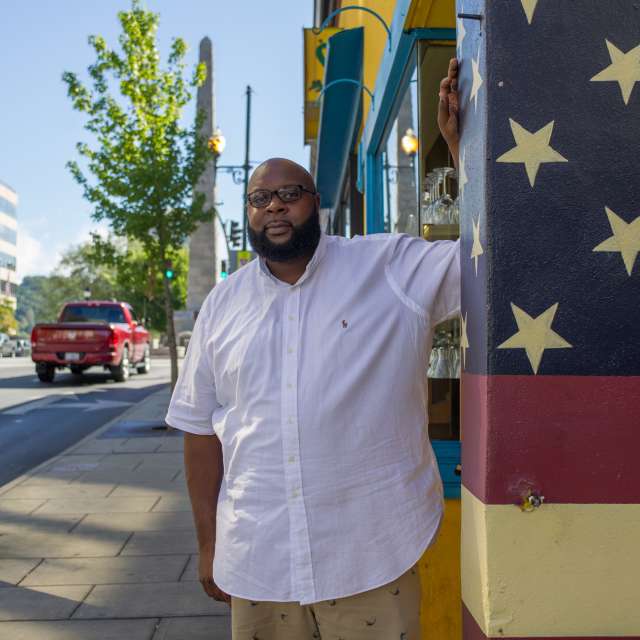
African American Voices Speak of Rich History and Vibrant Future
We meet our guide Joe Greene at the WRES studio next to Jack of the Wood on Patton Avenue, as the groovy sounds of R&B, soul, and funk emanate from the station’s speakers. The music brings smiles and an occasional booty shake from… read more